
GCC Worker Remittances Reach Record US$161 Billion as Non-Oil Activity Expands
Outward worker remittances increased by about US$19 billion in 2025, reflecting the Gulf's large expatriate workforce and continued expansion across infrastructure, services and industry.

Workers across the Gulf Cooperation Council sent approximately US$161 billion in remittances abroad in 2025, the highest combined outward worker-remittance value globally and a new record for the six-member bloc.
The total increased 13.6% from 2024, representing an increase of approximately US$19 billion, according to a report from the Statistical Centre for the Cooperation Council for the Arab Countries of the Gulf cited by Emirates News Agency.
The GCC comprises the UAE, Saudi Arabia, Qatar, Kuwait, Oman and Bahrain. The report linked the increase to the continued attraction of expatriate workers and expansion of economic activity associated with infrastructure projects, services, industry and other non-oil sectors.
The figures are economically significant because remittance flows provide a window into the scale of labour mobility and cross-border financial activity generated by Gulf economies. The region hosts millions of expatriate workers whose earnings support households and consumption in markets across Asia, Africa and elsewhere.
For banks, exchange houses and fintech companies, remittances represent a major payments market. Competition increasingly centres on transaction costs, settlement speed, digital access and the ability to connect Gulf customers with banking and mobile-money systems in recipient countries.
The growth in transfers also reflects the continued role of expatriate employment in the GCC’s economic model even as governments invest in national workforce development. Large infrastructure programmes and expanding services sectors continue to generate demand across a wide range of occupations.
Digitalisation is reshaping the market. Consumers increasingly expect international transfers to be available through mobile applications and digital bank accounts rather than relying solely on physical exchange-house branches. That shift creates opportunities for fintech providers while putting pressure on traditional remittance businesses to modernise.
The flows also have macroeconomic implications beyond the Gulf. For recipient countries, remittances can be an important source of foreign currency and household income. Changes in GCC employment and wages can therefore influence economies thousands of kilometres away.
For the UAE financial sector, the regional record underscores the size of the addressable cross-border payments market and the importance of regulatory, banking and fintech infrastructure that can process international transfers efficiently.
Continued non-oil growth across the Gulf could sustain remittance activity, while competition among banks, exchange houses and digital platforms is likely to focus increasingly on faster, lower-cost and more transparent international payments.
Why It Matters
The record highlights the scale of the GCC cross-border payments market and the opportunity for UAE banks, exchange houses and fintech companies competing for remittance flows.
More from this category
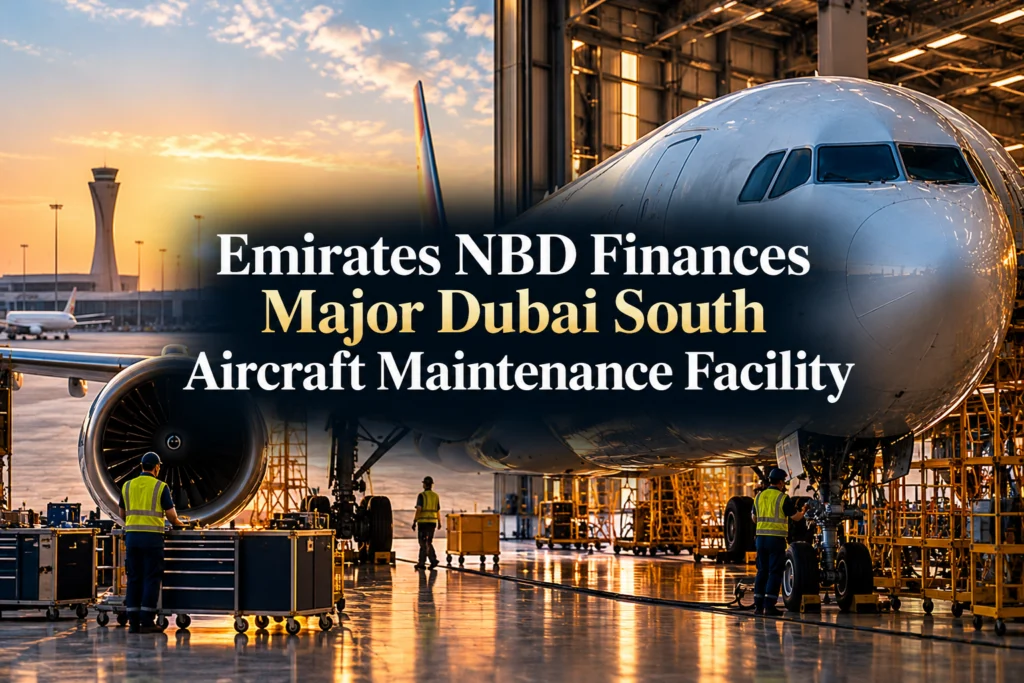
Emirates NBD Finances Major Dubai South Aircraft Maintenance Facility
The bilateral CAPEX term loan will support construction and launch of a major independent MRO facility at Mohammed bin Rashid Aerospace Hub.

UAE Banking Leaders Put AI, Digital Assets and Client-Led Models in Focus
A First Abu Dhabi Bank and IMD summit examined how AI, automation, digital assets and institutional competitiveness are reshaping banking and investment.

UAE Banks Shift Financial Inclusion Debate Toward Financial Health
A Central Bank of the UAE summit is examining whether financial-sector success should be measured by customer resilience and outcomes, not only…

UAE Banks Review AI, Open Finance and Cybersecurity Priorities
The UAE Banks Federation's CEO council reviewed the industry's first nine months of 2026 and discussed technology, compliance and resilience priorities shaping…
Finance intelligence wherever you read.
Need finance structured around a real business or project?
Explore National Finance solutions or request a consultation with our team.
Request Consultation