
UAE joins GCC finance talks focused on common market, customs, tax and trade rules
The UAE delegation to the 126th GCC Financial and Economic Cooperation Committee meeting discussed regional economic integration, regulatory frameworks and measures to facilitate trade and investment.
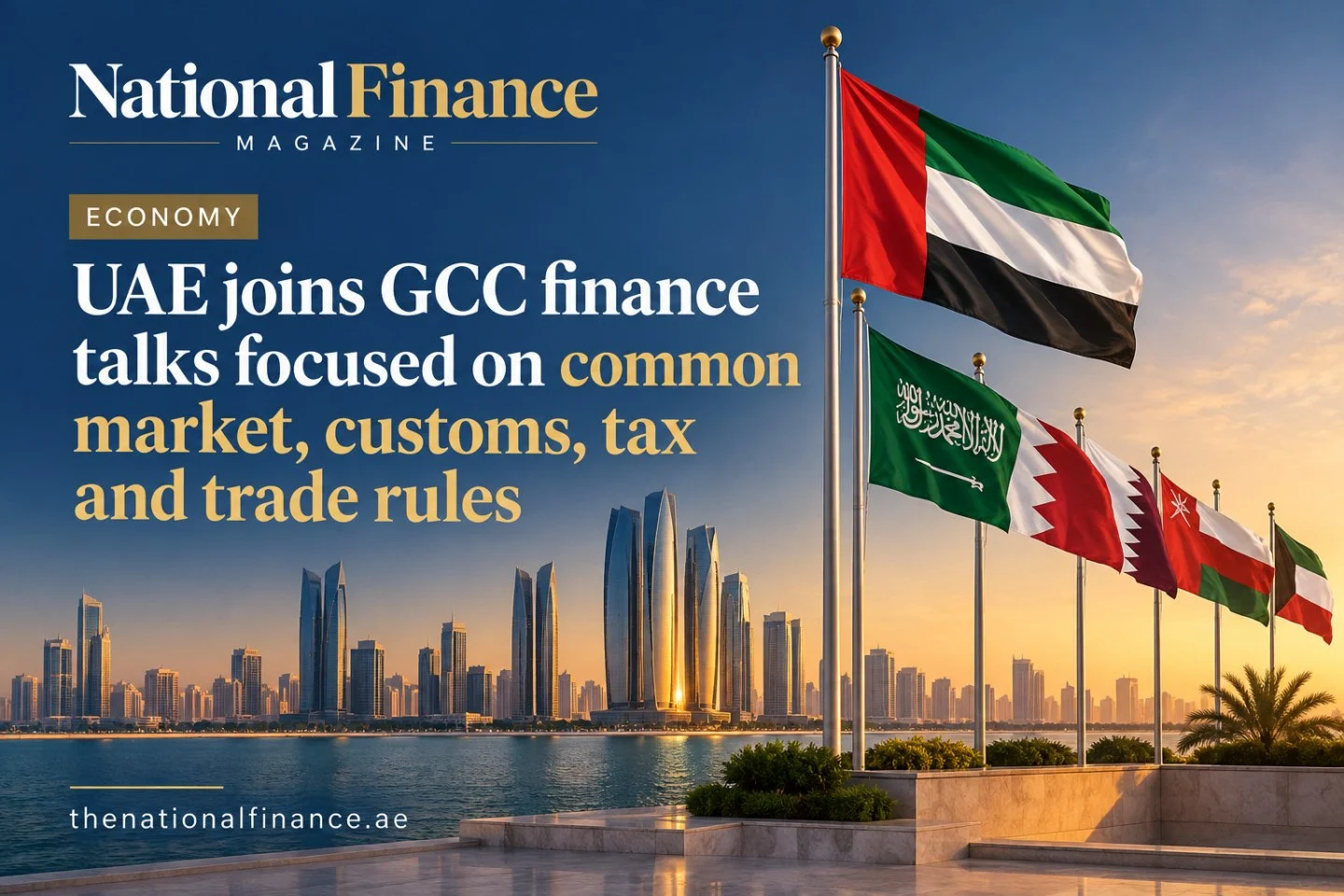
The UAE participated in the 126th meeting of the GCC Financial and Economic Cooperation Committee in Bahrain, with discussions centred on financial and economic integration across the Gulf, the efficiency of the GCC Common Market and stronger frameworks for trade and investment.
The UAE delegation was led by Mohamed bin Hadi Al Hussaini, Minister of State for Financial Affairs. Emirates News Agency reported that the delegation also included Ahmed Abdullah bin Lahej Al Falasi, Acting Director General of Customs and Ports Security at the Federal Authority for Identity, Citizenship, Customs and Port Security; Abdulaziz Mohammed Al Mulla, Director General of the Federal Tax Authority; Ali Abdullah Sharafi, Assistant Undersecretary for International Financial Relations at the Ministry of Finance; and other Ministry officials.
For companies operating across the Gulf, the meeting is relevant because the committee’s agenda touched several areas that directly affect cross-border business: the GCC Common Market, customs union work, tax administration coordination, central bank discussions and regulatory frameworks intended to facilitate trade and investment. WAM said participants reviewed initiatives and projects aimed at advancing Gulf economic unity, strengthening competitiveness and improving the region’s ability to benefit from shifts in the global economy.
The Ministry of Finance’s role in such meetings is not only diplomatic. Gulf economic integration affects how capital, goods, services and people move across a bloc that is deeply interconnected through trade, banking, investment, logistics and family-owned enterprise networks. Any progress in customs procedures, mutual market access or tax-administration coordination can reduce friction for UAE-based businesses serving Saudi Arabia, Bahrain, Oman, Kuwait and Qatar, while also improving the regional investment case for global companies using the UAE as a base.
The meeting also reviewed outcomes from several technical committees, including the GCC Central Bank Governors Committee, the GCC Customs Union Authority, the Committee of Heads and Directors of Tax Administrations and the GCC Common Market Committee. That structure matters because policy alignment in the Gulf typically advances through technical work before it becomes visible in business operations. For banks and investors, central-bank coordination affects payment systems and monetary cooperation; for importers and logistics firms, customs-union work can influence clearance and compliance; for multinationals, tax coordination can shape reporting obligations and certainty.
The UAE’s participation comes as the country continues to position itself as a regional headquarters, trade gateway and financial centre. A more coherent GCC market would reinforce those roles by making the wider Gulf easier to serve from the UAE. The immediate announcement did not introduce a specific new law or deadline, but it confirms that regional integration remains active on the official finance-policy agenda.
Why It Matters
GCC common-market, customs and tax coordination can materially affect UAE-based banks, traders, logistics companies and regional headquarters serving the wider Gulf.
Finance intelligence wherever you read.
Need finance structured around a real business or project?
Explore National Finance solutions or request a consultation with our team.
Request Consultation